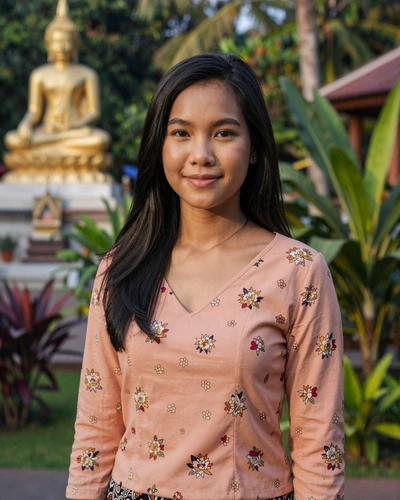
Asian dating culture is not one thing - it's a rich mosaic of traditions spanning over 48 countries, dozens of religions, and thousands of years of history. The man who approaches Asian women dating with genuine cultural understanding has a massive advantage over those who rely on Hollywood stereotypes or surface-level assumptions. This guide gives you that understanding.
Being Asian American - or dating someone of Asian heritage - involves navigating identity in ways that are often defined by stereotypes. Asian men frequently experience feelings of emasculation, while Asian women commonly face fetishization and are reduced to docile, submissive objects. Understanding these dynamics isn't just academic - it's essential for approaching cross-cultural relationships with the respect and awareness they deserve.
Whether you've matched with an Indian woman on Skobbler, been chatting with a Korean woman, or you're exploring your options across the continent, the cultural context below will help you communicate better, avoid missteps, and build a genuine connection rooted in mutual respect.
Key Cultural Values Across 8+ Asian Nations
The single most important thing to understand is that "Asian culture" is not monolithic. A first date in Tokyo operates on entirely different social rules than one in Jakarta or Lahore. The table below compares core dating and relationship values across eight major Asian nations, giving you a practical reference for the cultural nuances that shape how women approach love, family, and partnership.
Notice the recurring theme: family involvement is consistently high across the continent, though its expression varies dramatically. In India, parents may arrange introductions. In South Korea, parents give a blessing after the fact. In the Philippines, the entire extended family weighs in. Understanding where her country falls on this spectrum shapes how you approach every milestone - from your first video call to meeting her parents.
South Asian vs East Asian vs Southeast Asian Dating Norms
Asia is commonly divided into three broad cultural regions, each with distinct dating philosophies. While individual women always vary, these regional patterns provide a useful framework for understanding the cultural backdrop she grew up in.
South Asian Dating Norms: Family as Foundation
Indian women, Pakistani women, Bangladeshi women, and Sri Lankan women typically come from cultures where family is not just important - it's the organizing principle of life. Dating in South Asia has historically been synonymous with courtship leading directly to marriage. Even in 2026, many South Asian women expect a man to demonstrate long-term intent early.
- Parental involvement is often expected from the beginning - she may tell her parents about you within weeks
- Religious compatibility matters more here than in most East or Southeast Asian cultures
- Formality in early communication is appreciated - using respectful language and asking about her family signals maturity
- Marriage timeline expectations are typically shorter - one to two years of dating before engagement is common
East Asian Dating Norms: Structure and Subtlety
Korean women, Japanese women, Chinese women, and Taiwanese women grow up in cultures influenced by Confucian values - hierarchy, respect for elders, and social harmony. Dating in East Asia tends to follow more structured progressions, with clear milestones marking each stage of the relationship.
- Indirect communication is the norm - pay attention to what she implies, not just what she says
- Couple culture is especially strong in South Korea, where matching outfits and anniversary celebrations mark commitment
- Work-life balance tensions mean many women prioritize career alongside relationships
- The "confession" stage in Japan and Korea formalizes the relationship - until that conversation happens, you're not officially dating
Southeast Asian Dating Norms: Warmth and Hospitality
Thai women, Filipino women, Vietnamese women, and Indonesian women come from cultures defined by warmth, hospitality, and deep communal bonds. Dating in Southeast Asia tends to feel more relaxed and emotionally open compared to the formality of South Asia or the structure of East Asia.
- Emotional openness comes more naturally - Southeast Asian women are often more expressive about their feelings
- Extended family networks play a significant role, but the tone is welcoming rather than evaluative
- Religious diversity varies by country - Catholicism in the Philippines, Buddhism in Thailand, Islam in Indonesia and Malaysia
- Generosity and acts of service are the primary love languages across the region
The Role of Family in Asian Relationships
If there's one universal truth across Asian dating cultures, it's this: you're not just dating her - you're dating her family. Understanding this dynamic is the single most important factor in whether your cross-cultural relationship succeeds or fails.
How Arranged Marriage Has Evolved
The concept of arranged marriage still exists in parts of South and Central Asia, but in 2026, it looks very different from Western stereotypes. In India, for example, "arranged introductions" through family networks or matrimonial platforms have largely replaced forced pairings. The woman has full veto power and often drives the decision. In countries like Japan and South Korea, matchmaking services (called "omiai" in Japan and "sogaeting" in Korea) blend traditional introductions with modern dating app culture. Understanding this evolution helps you see family involvement as collaborative, not controlling.
Parental Blessing: When and How It Happens
In most Asian cultures, there's a specific moment when you meet her parents - and it carries enormous weight. In the Philippines, it's called "pamamanhikan," a formal visit to ask the family's blessing. In India, meeting the parents is practically a pre-engagement step. In Japan and Korea, it tends to happen later but signals absolute seriousness about the relationship. When that moment comes, bring a thoughtful gift (fruit, sweets, or tea are universally safe choices), dress conservatively, and show genuine interest in her parents' lives and stories.
Navigating In-Law Dynamics
In many Asian cultures, your mother-in-law will have significant influence on your relationship. In Chinese families, the concept of "filial piety" means your wife may prioritize her parents' wishes alongside - or sometimes above - yours. In Indian families, the mother-in-law traditionally plays a mentorship role to the new wife. For Western men, the key adjustment is reframing in-law involvement as a feature, not a bug. These relationships, when cultivated with respect, become powerful sources of support and belonging.
"In Asian dating culture, winning over her family isn't an obstacle - it's the path to a deeper, more resilient relationship."
Religious and Traditional Influences on Dating
Religion shapes dating norms across Asia more than any other single factor. Understanding her spiritual background helps you navigate expectations around modesty, physical intimacy, dietary restrictions, and ceremony.
Buddhism influences dating in Thailand, Cambodia, Laos, Myanmar, Sri Lanka, and parts of Vietnam and Japan. Buddhist values emphasize mindfulness, non-attachment to ego, and compassion. In practice, this translates to a calm, non-confrontational dating style where patience and emotional regulation are prized. Thai women, for example, value a man who demonstrates "jai yen" - a cool, composed heart.
Islam shapes dating culture in Indonesia, Malaysia, Bangladesh, Pakistan, and parts of India and Central Asia. Islamic dating norms emphasize modesty, family involvement, and clear intent toward marriage. Physical intimacy before marriage is generally prohibited, and some women prefer to involve a chaperone or family member in early meetings. Respect for these boundaries is non-negotiable.
Hinduism is the primary influence in India and Nepal, emphasizing duty (dharma), family loyalty, and auspicious timing. Hindu families may consult astrology for wedding dates, and concepts like caste compatibility - while increasingly challenged by younger generations - still matter in some families. Showing respect for these traditions, even if they differ from your own beliefs, signals cultural maturity.
Confucianism is not a religion in the Western sense, but its values of filial piety, social harmony, and hierarchical respect permeate Chinese, Korean, Japanese, and Vietnamese cultures. Confucian influence means relationships are viewed through a lens of social responsibility - your partnership isn't just about the two of you, but about contributing to family and community stability.
Christianity is the dominant faith in the Philippines and parts of South Korea and has growing influence in China. Catholic values in the Philippines emphasize marriage as sacrament, large family sizes, and community celebration. Korean Christianity blends Protestant ethics of hard work with traditional Confucian family values, creating a unique hybrid dating culture.
Modern Versus Traditional Dating Expectations in 2026
One of the biggest misconceptions Western men bring to Asian dating is assuming all Asian women are "traditional." The reality in 2026 is far more nuanced - a generational and geographic divide is reshaping dating expectations across the continent.
Urban vs. Rural: Two Different Worlds
A woman from central Bangkok, Seoul, or Mumbai has more in common with a New Yorker than with a woman from rural Thailand, Korea, or India. Urban Asian women in 2026 are often highly educated, career-driven, and independent. They use dating apps, split bills, and may delay marriage into their 30s. Rural women, by contrast, tend to follow more traditional courtship patterns with heavier family involvement and earlier marriage expectations. Ask her about her background rather than assuming.
Generational Shifts You Should Know
Women under 30 across most Asian countries have grown up with smartphones, social media, and exposure to Western media. They tend to be more open to international dating, more comfortable with English, and more relaxed about physical affection than their mothers' generation. However, this doesn't mean they've abandoned their cultural values. Most young Asian women in 2026 blend modern independence with deep respect for family traditions - and they expect their partner to respect both sides equally.
Dating Apps Across Asia
App culture varies dramatically by country. In Japan, apps like Pairs and Tapple emphasize serious relationships. In South Korea, KakaoTalk serves as the primary communication channel for couples. In India, Shaadi.com blends traditional matchmaking with app features. In Southeast Asia, platforms like Skobbler have gained popularity among women specifically looking for international relationships with verified, serious-minded men. Understanding which platforms she uses gives you insight into her dating mindset.